
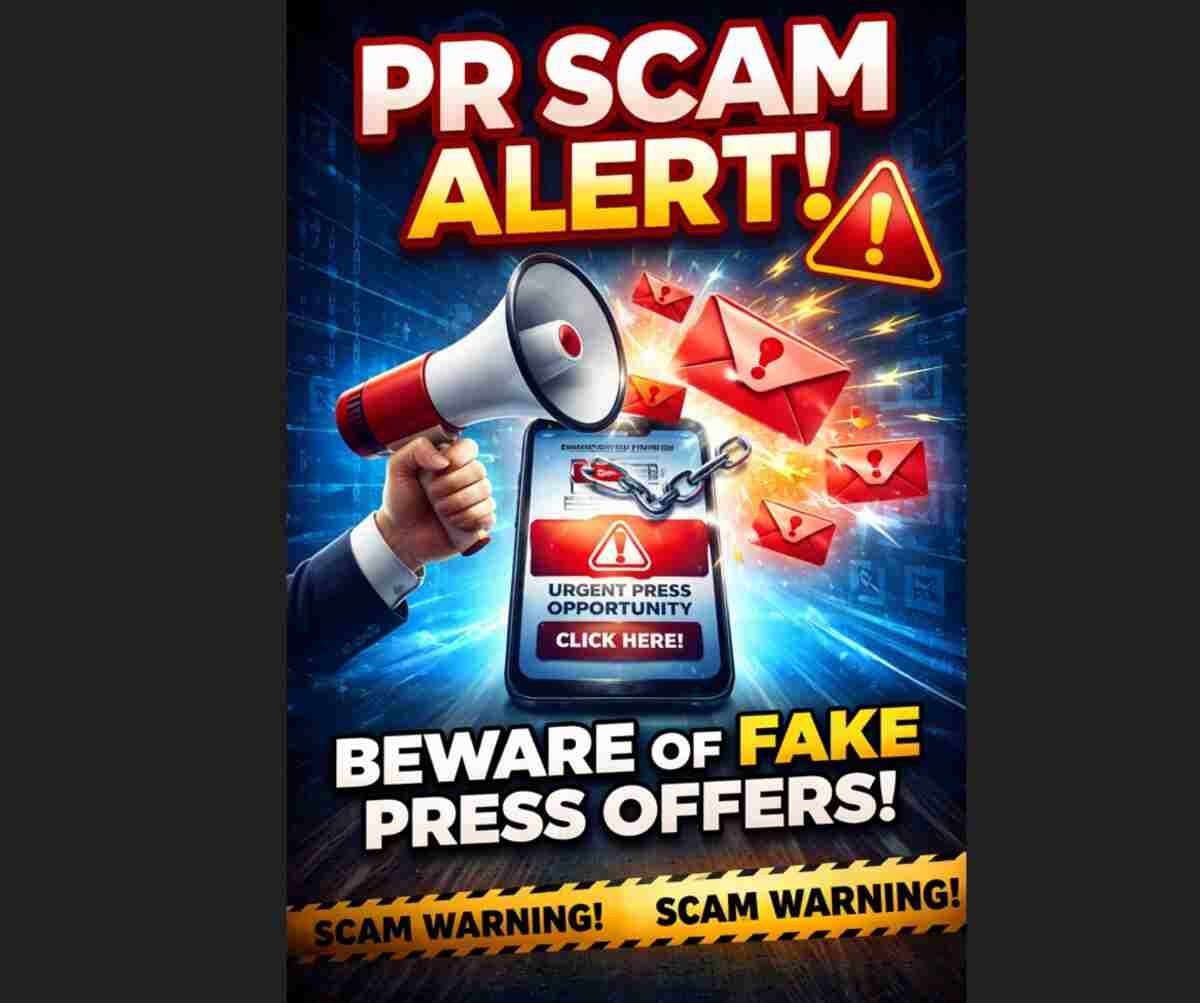
A troubling pattern is emerging in the digital media and public relations landscape, raising serious concerns about credibility, compliance, and client trust. Based on multiple inputs reaching Sanjay Lunia Jain, several businesses, professionals, and public figures may have unknowingly fallen victim to a growing network of questionable PR practices.
Across numerous reported cases, articles that initially appeared as successfully “published” on reputed media platforms were later found to be deleted, removed, or rendered inaccessible within a short span of time. At first glance, these placements seemed legitimate—functional links, recognizable publication logos, and apparent visibility. However, beneath this surface lies a deeply concerning system of unauthorized publishing that is now drawing scrutiny.
The Modus Operandi
At the core of the issue is a method allegedly employed by certain PR agencies that promise “guaranteed publication” on well-known platforms without securing formal editorial approval. In many instances, articles are suspected to be pushed live through backend vulnerabilities, compromised accounts, or unauthorized access channels.
These articles may remain visible temporarily, only to be removed later when editorial teams or cybersecurity audits detect irregularities. For clients, this results in financial loss, reputational damage, and the disappearance of what was believed to be credible media coverage.
Key Red Flags to Watch
- Inconsistent Pricing Structures
One of the most common warning signs is erratic pricing. Agencies quoting vastly different rates—sometimes with margins varying by 20% to 30%—for the same publication placement without clear editorial reasoning should raise immediate concern. Authentic media placements typically follow structured pricing aligned with editorial value and audience reach. - Overemphasis on GST vs Non-GST Billing
Another indicator is when agencies focus excessively on payment structures, particularly pushing clients toward “with GST” or “without GST” options. Legitimate PR firms prioritize editorial quality, audience alignment, and brand positioning—not billing loopholes. A transaction-centric pitch often signals a lack of formal media process. - Claims of “Exclusive Access” at Unusual Rates
Agencies or intermediaries claiming special or “internal” access to premium publications at unusually low costs should be approached cautiously. In many suspected cases, such access is not editorial but technical—temporary and vulnerable. This explains why such articles often disappear after internal audits or security reviews.
The Real Risk
The most concerning aspect of this trend is not just financial loss, but reputational exposure. When an article is removed, the credibility associated with that coverage is also lost. In some cases, association with unauthorized publishing practices can harm brand integrity and stakeholder trust.
The Need for Due Diligence
As more cases continue to surface, including those reaching Sanjay Lunia Jain, the need for vigilance is clear. Businesses and individuals must conduct proper due diligence before engaging with any PR agency.
A critical question every client should ask is:
Was this article approved through the publication’s official editorial process, or was it simply inserted?
The answer to this question can determine whether a brand is building genuine credibility or stepping into a reputational risk.
The Way Forward
To safeguard against such risks, clients should:
- Work only with agencies that offer transparent invoicing and compliance
- Seek clarity on editorial processes and approval mechanisms
- Ensure there is a documented communication trail
- Avoid deals that seem unusually flexible, urgent, or underpriced
In today’s evolving PR ecosystem, visibility alone is not credibility.
As this issue gains wider attention, one message stands out: not every published article represents genuine media validation and sometimes, the biggest red flag is when that coverage disappears.