


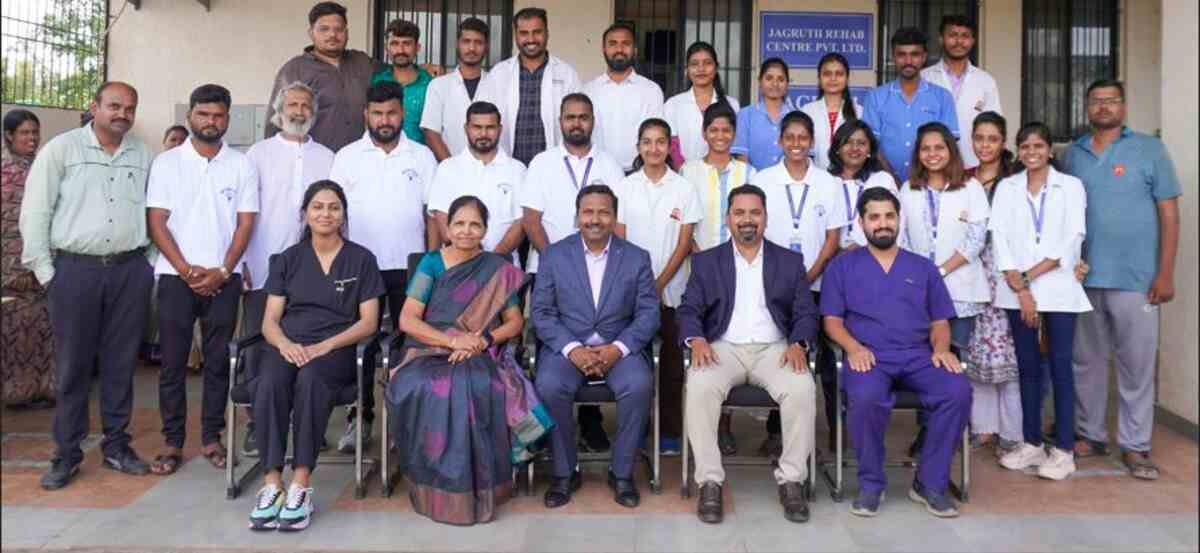
Pune, India – Two years ago, Jagruti Rehabilitation Centre in Pune launched – a small, dedicated unit for children and teens. It was meant to be a support system. A safety net. A place for early intervention.
What it became was something no one expected:
A front-row seat to the biggest mental health shift in India’s teenagers.
In just 24 months, the centre has treated over 100 teens for a new wave of problems that didn’t exist a decade ago – and most parents still don’t know how to spot them.
A New Generation of Addictions
While mobile and internet dependency continue to be the most common concerns, Jagruti’s clinical team notes a sharp rise in specific, intense digital addictions, including:
Gaming & Roblox Addiction – Cases where teens are deeply absorbed in virtual worlds, leading to declining academic performance and social withdrawal.
ChatGPT & AI Dependency – A worrying trend where teens spend entire days chatting with AI bots. In one notable case, a child relied on ChatGPT not only for emotional support but also for unregulated diet plans, raising serious health concerns.
“These new-age addictions go far beyond excessive screen time,” said the clinical team at Jagruti. “They are reshaping how children think, feel, and behave.”
Hormonal Changes + Exam Pressure = A Mental Health Turning Point
Teenagers today face an unprecedented mix of biological, emotional, and academic stress. Hormonal changes, paired with high-stakes board exams and constant digital stimulation, are contributing to early-stage depression and anxiety, conditions once seen mostly in adults.
“The pressure to excel academically while maintaining a digital identity is pushing many young minds to a breaking point,” the team observed.
Parents Struggling to Understand the Digital Shift
A significant barrier to early detection is the widening generation gap. Many parents misinterpret digital dependence as a behavioural issue rather than a warning sign of deeper emotional distress.
Common parental blind spots include:
Why an AI chatbot feels more comforting to a teen than a real friend
How games like Roblox become addictive escape portals
Why sudden removal of devices can trigger emotional breakdowns
“This isn’t disobedience – it’s a mental health alarm,” experts noted.
A Rising National Concern: Teen Suicide
The centre’s findings come against the backdrop of increasing suicide and self-harm cases among school children across India. Excessive screen time, isolation, academic pressure, and unaddressed depression form a dangerous combination.
“Early intervention is not optional – it is life-saving,” the Jagruti team emphasized.
A Call for Immediate Awareness
As technology evolves faster than emotional maturity, the need for specialised child and adolescent mental health facilities is more urgent than ever.
“We have treated over 100 children in two years, but for every child who walks in, many more are silently struggling at home,” the team stated. “Parents must look beyond the screen. If a child is withdrawing, excessively attached to gaming or AI, or showing signs of sadness or stress, professional help should be sought immediately.”
About Raha – Jagruti Rehabilitation Centre, Pune
Raha is a specialised unit dedicated to the mental well-being of children and teenagers, offering structured therapy, behavioural interventions, and psychiatric care under expert supervision. The centre provides a safe, nurturing environment for addressing digital addictions, emotional disorders, and emerging psychiatric illnesses in young individuals.