


India’s small-business economy is expanding rapidly, but growth without a strong foundation can quickly turn into operational chaos. Founders often increase advertising, introduce discounts and push for higher sales before ensuring their businesses can handle the demand. The result can be delayed deliveries, stock shortages, inconsistent quality, overwhelmed teams and dissatisfied customers. Sustainable growth starts elsewhere. A business must first prove that its product solves a genuine problem, delivers consistent value and gives customers a reason to return. Quality, pricing, packaging, availability, service and customer feedback should shape the growth strategy before larger marketing budgets are considered. The objective is not simply to generate more transactions, but to create a business that customers trust and willingly recommend.
Customer advocacy can become one of the most powerful growth engines for an emerging brand. In India, where personal recommendations and trust strongly influence purchasing decisions, a satisfied customer can generate opportunities that advertising alone cannot replicate. A memorable buying experience encourages people to recommend a product, share it online and purchase again. Businesses should therefore track repeat purchases, referrals, reviews and customer satisfaction alongside revenue. These indicators reveal whether demand is genuine or being driven primarily by promotions. A brand with strong customer loyalty has a valuable advantage because every satisfied buyer can contribute to future growth without requiring the same acquisition expense as a new customer.
Advertising can accelerate momentum, but it cannot repair a weak business model. Spending ₹1 lakh to generate ₹4 lakh in sales may appear impressive until the advertising stops and demand disappears. Before increasing promotional expenditure, founders should understand customer acquisition cost, contribution margin, average order value, repeat purchase rate, returns and referral activity. These numbers reveal whether growth is financially sustainable. Marketing should amplify an established value proposition rather than become the sole source of revenue. The stronger the underlying customer demand, the more efficiently advertising can work as the business expands into new markets, channels and customer segments.
Operational readiness is equally critical. A sudden surge in orders can expose weaknesses that remain invisible during the early stages of a business. Founders need reliable suppliers, accurate inventory systems, dependable packaging, efficient fulfilment, timely dispatch, organised returns and responsive customer support. Once these processes are stable, automation can reduce repetitive workloads across order processing, inventory alerts, invoicing, payment reminders, customer notifications, review requests and performance reporting. Technology, however, should follow process improvement. Automating a broken workflow only allows mistakes to happen faster. The right sequence is simple: establish a reliable process, document it, measure it and then automate it.
People become another decisive factor as a company grows. Scaling does not necessarily mean building a huge workforce. It means establishing clear ownership and accountability. Inventory, fulfilment, customer experience, finance, marketing and performance analysis should have defined responsibilities. Founders who continue approving every decision eventually become the biggest bottleneck in their own companies. Standard operating procedures, clear authority and measurable outcomes allow teams to operate independently. As the company matures, the founder’s role must evolve from personally completing tasks to designing systems, developing strategy, strengthening partnerships and identifying new opportunities. A scalable business should not depend on one person to keep every function moving.
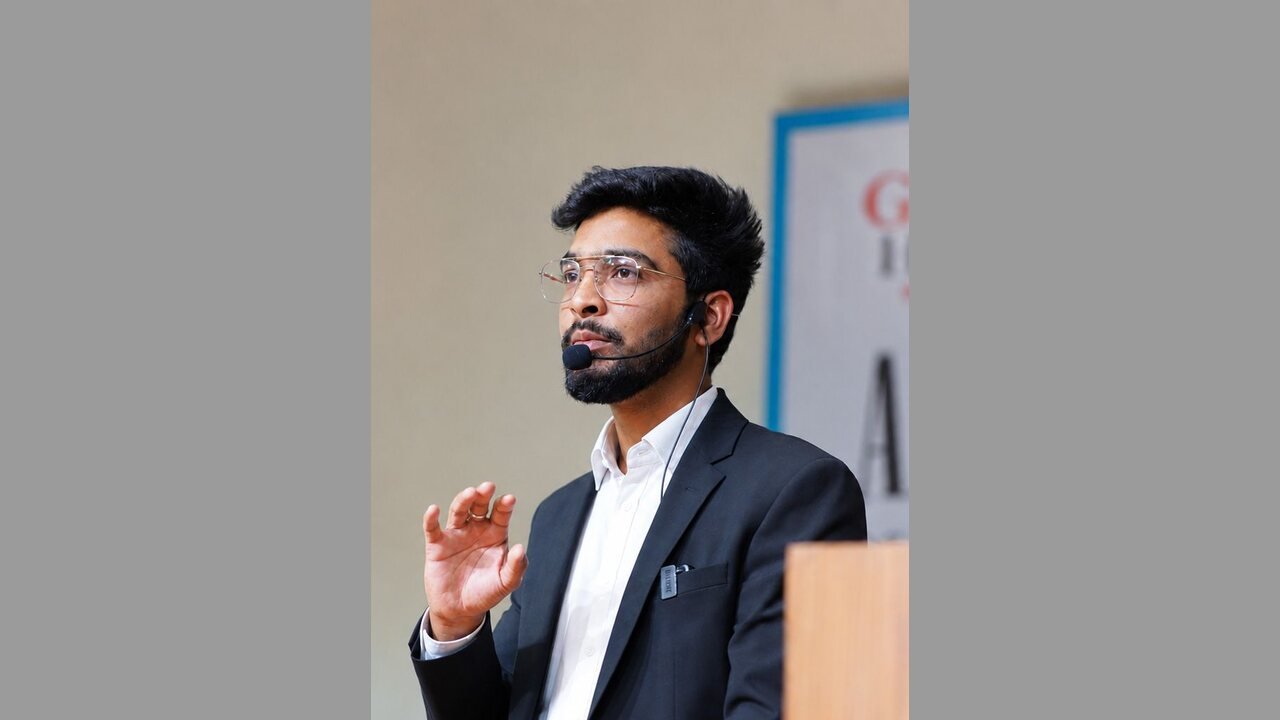
For entrepreneurs looking to scale a small business in India, the central question should not be how much more to spend on advertising. It should be why customers should buy, return and recommend the business. The answer becomes the foundation for sustainable expansion. Validate the product, understand the market, strengthen operations, build accountable teams and introduce technology where it creates measurable efficiency. Then increase demand. This approach transforms growth from a race for revenue into a structured business-building exercise. Vivek Chauhan, a business growth consultant and entrepreneur, works with businesses on strategy, workflows, automation, team structures and market growth through a practical approach: Diagnose. Build. Hand Over. His objective is to help businesses create the people, processes and technology required for efficient and sustainable expansion.