


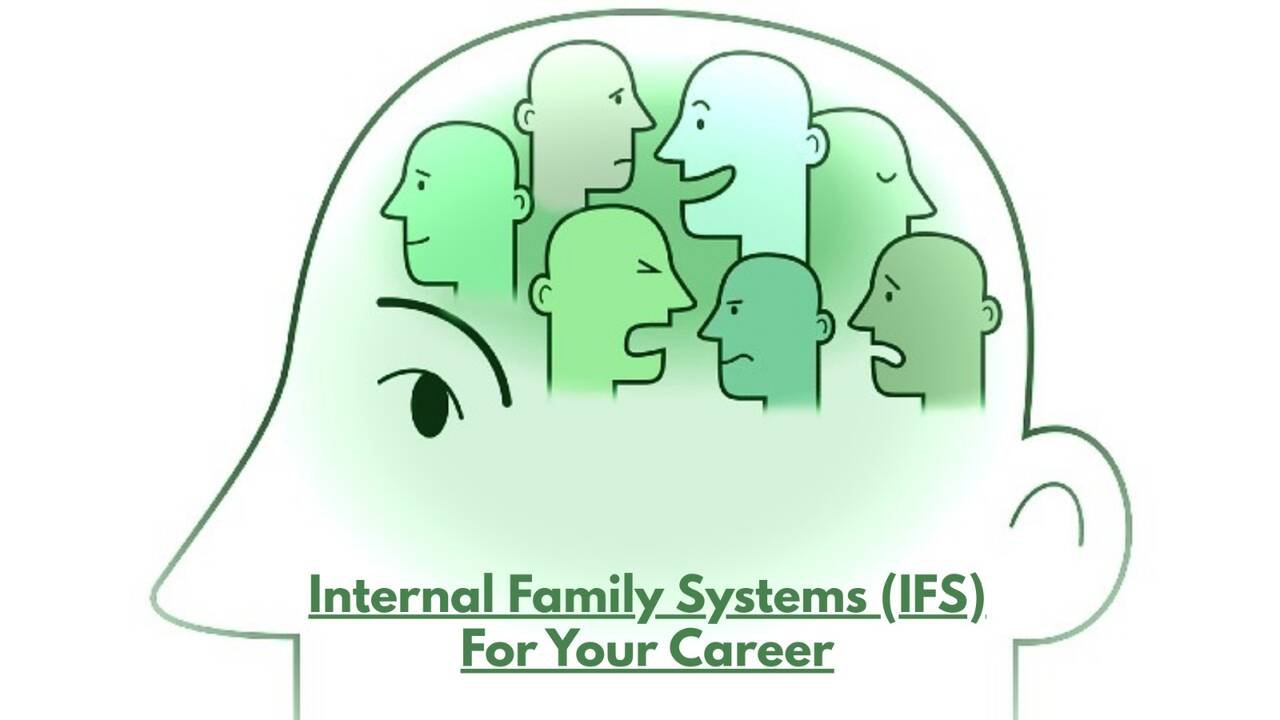
Most people believe career struggles stem from a lack of discipline, confidence, motivation, or skills. In her therapy practice, Aanchal Narang sees something very different. She sees highly capable professionals who are internally conflicted—people who appear successful on the outside but feel overwhelmed, anxious, or stuck within.
Clients often tell her:
“I overwork and still feel behind.”
“I get so anxious before meetings that I can’t think clearly.”
“One small piece of feedback ruins my entire week.”
“I know what I should do, but I keep procrastinating.”
Aanchal doesn’t view these patterns as flaws or weaknesses. She understands them as parts of the internal system trying to protect the individual. This is where Internal Family Systems (IFS) therapy becomes deeply transformative—not only for healing trauma, but for helping people function better, grow with clarity, and thrive professionally.
About Aanchal Narang
Aanchal Narang is the Founder and Head Therapist at Another Light Counselling (ALC). Known for her trauma-informed, deeply embodied approach, she works beyond surface-level conversation to create real nervous-system change. Trained in IFS/parts work, EMDR, somatic and attachment-based therapy, and queer-affirmative practice, her work is compassionate, evidence-based, and inclusive.
At ALC, therapy is not about quick fixes or performative wellness. It is rooted in safety, emotional regulation, and helping people truly show up for themselves—because healing doesn’t happen by talking alone, but by feeling safe enough to change.
You Are Not One Voice at Work—You Are a System
IFS is based on a powerful idea: we are not a single personality. We are made up of multiple parts, each with its own role and purpose. No part is bad—even when it creates difficulties at work.
IFS broadly identifies three elements of the internal system:
Exiles, Protectors (Managers and Firefighters), and the Self.
Exile Parts: Why Work Feels So Personal
Exile parts are younger, wounded parts that carry fear, shame, emotional neglect, and past trauma. They don’t understand performance metrics or office politics—they understand survival.
At work, exile activation can look like taking feedback personally, feeling crushed by minor mistakes, needing constant validation, panicking about job security, or tying self-worth to productivity. When exiles are triggered, the nervous system doesn’t think, “This is feedback.” It feels, “I’m about to be rejected.”
Manager Parts: The Overachievers Driving Burnout
To protect these vulnerable exiles, the system develops manager parts. Their job is prevention—working hard to ensure nothing goes wrong.
At work, managers often appear as perfectionists, workaholics, overthinkers, or people who struggle to say no. These parts are frequently praised and rewarded, until exhaustion sets in. Burnout, in IFS terms, isn’t poor time management—it’s a protection strategy that never learned how to rest.
Firefighter Parts: Escaping the Overwhelm
When managers fail to keep pain away, firefighter parts step in. They are focused on immediate relief, not long-term goals.
At work, firefighters may show up as procrastination, avoidance, emotional outbursts, dissociation, excessive scrolling, repeated sick leaves, or substance use after work. These behaviors aren’t self-sabotage—they are urgent attempts to escape overwhelm.
Why Career Advice Alone Falls Short
You cannot discipline a terrified part or logic a nervous system out of trauma. Most career advice speaks to the intellect, while the real struggle lives in the internal system. IFS doesn’t eliminate parts—it helps them feel safe enough to relax.
The Missing Leader: The Self
At the center of IFS is the Self—a calm, grounded, compassionate core presence. When the Self is leading, feedback feels informative rather than devastating, boundaries become possible, decisions feel clearer, and reactions soften into responses.
Many trauma-impacted individuals have never fully experienced Self-energy. This isn’t a failure—it’s a nervous-system reality. Guided IFS therapy helps people experience safety, not just understand it intellectually.
Work, Authority, and Attachment
Professionals often unknowingly relate to bosses, seniors, or clients from exile parts rather than their adult Self. A manager may feel like a parent; a review like abandonment. IFS helps younger parts feel secure internally, so workplace relationships stop carrying emotional weight they were never meant to hold.
What Changes When Inner Conflict Resolves
After IFS work, people often experience less burnout, clearer decision-making, stronger boundaries, fewer emotional spirals, and a grounded confidence. Not because they became “better,” but because their internal system stopped fighting itself.
Your career struggles are not personal failures. They are intelligent survival strategies that once kept you safe and now need updating. IFS doesn’t ask, “What’s wrong with you?” It asks, “Which part of you is trying to protect you—and from what?”
When those parts are heard, work stops being a battlefield and becomes a place where you can truly show up.
Start Your Healing Journey
🌐 Website: https://www.another-light.com
📲 Book a Session on WhatsApp: